Monthly Archives: November 2026

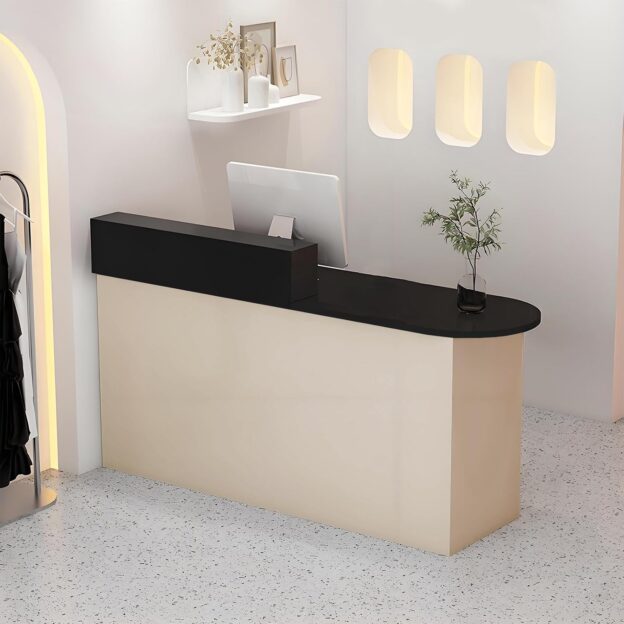
Why a Modern Reception Desk Is Essential for Creating a Professional First Impression

When someone enters an office, the reception area is usually the first place they notice. Before meeting the management team, discussing a business proposal, or exploring the company’s services, visitors begin forming an opinion based on what they see around them. A well-designed reception area creates a welcoming atmosphere and communicates the company’s professionalism, values, and attention to detail.

A modern reception desk is more than just a piece of office furniture. It represents the identity of a business and plays an important role in shaping visitors’ first impressions. Whether it is a corporate office, healthcare facility, hotel, showroom, or commercial workspace, the reception desk should reflect the organisation’s personality while providing a comfortable and functional experience.

Every business has its own identity, and the reception area is an excellent place to communicate it. The design, colours, materials, lighting, and overall appearance of a reception desk can reflect the company’s brand image.

For example, a corporate office may prefer a sleek reception counter with clean lines and premium finishes, while a creative agency might choose a more contemporary design with unique shapes and attractive colour combinations.

When visitors enter a well-organised reception area, they naturally develop a sense of confidence in the business. A thoughtfully designed desk also helps create a consistent visual connection between the company’s interior design and brand identity.

A modern reception desk combines appearance, comfort, and practical functionality. It helps reception staff manage daily responsibilities while ensuring visitors feel welcomed and attended to.

Here are five important ways a modern reception desk improves the overall office environment:

  • Creates a Positive First Impression: An attractive reception desk immediately makes the workplace look organised, professional, and welcoming.
  • Improves Workplace Functionality: Proper storage, sufficient working space, and smart cable management help reception staff perform their duties efficiently.
  • Strengthens Brand Recognition: Customised designs, company logos, and brand colours make the reception area more memorable.
  • Enhances Visitor Comfort: An appropriately designed reception counter creates a convenient interaction space for visitors and employees.
  • Maintains a Modern Office Appearance: Contemporary materials, stylish finishes, and integrated lighting give the workplace a fresh and sophisticated look.

These benefits make reception furniture an important consideration when planning a new office or renovating an existing commercial space.

A beautiful reception desk may attract attention, but it should also support the everyday activities of reception staff. From answering telephone calls and managing appointments to handling documents and welcoming visitors, the reception area involves several responsibilities.

A functional reception desk should offer sufficient workspace for computers, telephones, office accessories, and essential documents. Built-in drawers, cabinets, and concealed storage compartments help maintain a clean and clutter-free appearance.

Ergonomics is another important factor. The desk height, seating arrangement, legroom, and accessibility should be considered carefully to ensure reception employees can work comfortably throughout the day.

Businesses should also consider accessibility when selecting a reception counter so that visitors with different mobility requirements can interact with reception staff conveniently.

The material and finish of a reception desk significantly influence the appearance of the entire entrance area. Selecting the right combination can help create an attractive and long-lasting installation.

Some popular choices include:

Wooden Finishes: Wooden reception desks create a warm, elegant, and welcoming atmosphere. They are particularly suitable for corporate offices, hotels, and professional service businesses.

Glass Elements: Glass adds a clean and contemporary appearance. It can make smaller reception areas feel more open and visually spacious.

Laminate Finishes: Laminates are available in various colours, textures, and patterns. They offer design flexibility and are practical for offices requiring durable surfaces.

Natural Stone and Solid Surfaces: Marble-inspired finishes and premium solid surfaces can give reception counters a luxurious and sophisticated appearance.

The right material should complement the overall interior design while considering maintenance requirements, durability, and the available budget.

Lighting plays an important role in making a reception desk stand out. Well-planned LED lighting, ceiling lights, and decorative fixtures can highlight the counter’s design and create a comfortable atmosphere.

The reception desk should also be positioned strategically. Visitors should be able to identify it immediately after entering the office without searching for assistance.

Adequate circulation space is equally important. The arrangement should allow visitors to move comfortably while maintaining a smooth workflow for reception employees.

Adding indoor plants, subtle decorative elements, comfortable visitor seating, and a professionally designed background wall can further improve the overall appearance.

An office reception area is not something businesses should overlook when planning their interiors. It is one of the most frequently visited spaces and plays an important role in daily business operations.

A modern reception desk demonstrates that a company values professionalism, organisation, and visitor experience. It can also improve employee efficiency by providing a dedicated and properly organised workspace.

For startups, established companies, healthcare centres, educational institutions, and commercial organisations, investing in a well-designed reception counter is a practical way to improve the workplace environment.

Instead of selecting furniture based only on its appearance or price, businesses should consider how the design supports their brand image, operational requirements, and long-term usage.

A professional first impression begins the moment someone walks through your office entrance. A modern reception desk helps create that impression by combining attractive design, practical functionality, and brand identity.

From selecting suitable materials and finishes to planning lighting, storage, and accessibility, every detail contributes to creating a welcoming reception environment.

Ultimately, a well-designed reception desk is not simply an office furniture investment. It is an investment in your company’s image, workplace experience, and the way visitors perceive your business. Why Professional Corporate Office Design Matters for a Productive Workplace
How the Right Furniture Can Improve the Look and Feel of Your Cafeteria

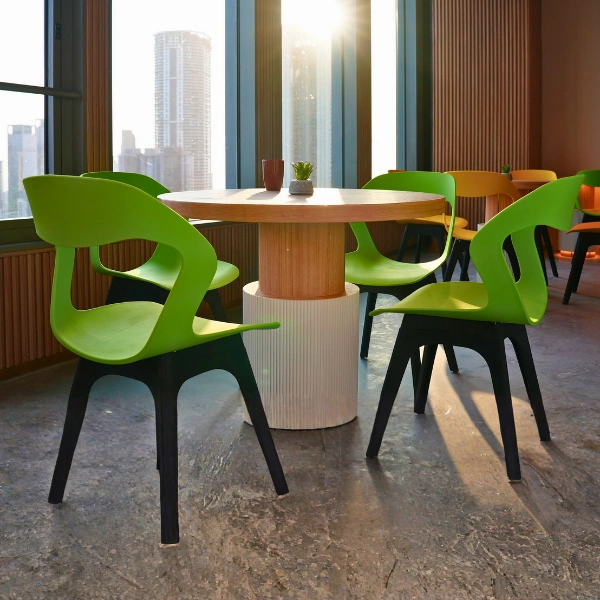
A cafeteria is more than just a place where people sit down to enjoy their meals. It is a space where employees take breaks, students spend time with friends, customers relax, and people connect over food. Whether it is a corporate cafeteria, school canteen, college dining area, or commercial food court, the overall environment plays an important role in shaping the dining experience.

While food quality and service are essential, furniture is another factor that can completely transform a cafeteria. The right combination of tables, chairs, seating arrangements, and interior finishes can make an ordinary dining space look attractive, comfortable, and welcoming.

Choosing suitable cafeteria furniture is not only about filling the available space. It is about creating an environment where people feel comfortable, enjoy their meals, and want to spend time.

The furniture is one of the first things people notice when they enter a cafeteria. Well-designed tables and chairs, coordinated colours, and an organised seating arrangement can instantly make the space look more appealing.

For example, wooden-finish tables combined with comfortable chairs can create a warm and welcoming atmosphere. On the other hand, modern metal furniture with clean designs may be more suitable for contemporary corporate cafeterias.

The furniture should complement the cafeteria’s overall interior theme. Consistency in colours, materials, and design helps create a visually balanced environment.

A clean and attractive cafeteria also encourages people to use the space more frequently.

Furniture directly influences how people experience a cafeteria. The right selection can improve comfort, functionality, and the overall appearance of the dining area.

Here are five important benefits of choosing suitable cafeteria furniture:

  • Improves Seating Comfort: Ergonomically designed chairs and properly sized tables allow people to enjoy their meals comfortably.
  • Makes Better Use of Available Space: Compact furniture and smart seating arrangements help accommodate more people without making the cafeteria feel crowded.
  • Enhances Interior Appearance: Modern furniture designs, attractive finishes, and coordinated colours create a more appealing dining environment.
  • Supports Easy Maintenance: Durable materials and easy-to-clean surfaces help maintain hygiene and reduce daily maintenance efforts.
  • Creates a Welcoming Atmosphere: Comfortable seating and thoughtfully arranged furniture encourage people to relax, interact, and enjoy their breaks.

These advantages make furniture selection an important part of cafeteria interior planning.

People visit cafeterias to take a break from their regular activities. Whether they have a quick lunch or spend time chatting with colleagues, comfortable seating can make a noticeable difference.

Uncomfortable chairs, poorly designed tables, or insufficient legroom can make the dining experience less enjoyable. Therefore, businesses should consider ergonomic seating, appropriate table heights, back support, and sufficient space between furniture pieces.

For cafeterias in offices and educational institutions, furniture should also be suitable for different age groups and user requirements.

Comfortable furniture encourages visitors to use the cafeteria as a relaxing social space rather than simply a place to finish their meals.

Every cafeteria has different requirements depending on its size, location, daily footfall, and type of visitors. Selecting furniture without considering these factors can lead to space management problems and unnecessary expenses.

Some popular furniture options include:

Dining Tables and Chairs: Traditional dining tables with matching chairs are suitable for cafeterias that offer dedicated seating arrangements.

Communal Tables: Long shared tables are ideal for corporate cafeterias, colleges, and large dining spaces where people enjoy sitting together.

Bar-Height Tables and Stools: These are useful for creating casual seating zones, particularly in modern office cafeterias and compact dining areas.

Booth Seating: Upholstered booth seating can provide a comfortable and slightly private dining experience while adding a contemporary touch.

Modular Furniture: Flexible furniture arrangements allow cafeteria managers to adjust seating according to changing requirements, group sizes, and available space.

Selecting a combination of these options can make the cafeteria more functional and visually interesting.

Even expensive furniture may not deliver the desired results if the layout is poorly planned. A cafeteria should have a comfortable balance between seating capacity and movement space.

Visitors should be able to enter, select their food, find a table, and move around without difficulty. The arrangement should also provide enough room for staff members to clean tables and manage daily operations.

For larger cafeterias, creating separate seating zones can be helpful. For example, a company cafeteria may include individual seating, group dining tables, and a relaxed lounge-style corner.

A well-planned layout improves the flow of people and prevents unnecessary congestion during busy lunch hours.

Cafeteria furniture experiences regular usage throughout the day. Spilled food, beverage stains, frequent cleaning, and continuous movement can affect its appearance over time.

This makes material selection particularly important.

Laminate surfaces, powder-coated metal frames, quality plastics, and durable wooden finishes are some practical options for cafeteria furniture.

When choosing materials, consider the following factors:

  • Resistance to scratches and everyday wear.
  • Easy cleaning and maintenance.
  • Strength and stability for regular use.
  • Resistance to moisture and food stains.
  • Long-term durability and replacement costs.

Investing in good-quality furniture may require a higher initial budget, but it can help reduce frequent repairs and replacement expenses.

Colours have a significant impact on how people feel inside a space. Bright and cheerful colours can create an energetic atmosphere, while neutral shades and wooden finishes can make a cafeteria feel calm and sophisticated.

The choice should depend on the purpose and identity of the cafeteria.

For example, a corporate cafeteria may benefit from neutral colours, modern furniture, and minimalistic designs. A school cafeteria may look more inviting with colourful chairs, playful combinations, and practical furniture suitable for children.

Businesses can also use furniture styles to maintain consistency with their brand identity and overall interior design.

With increasing attention to workplace design, many organisations are transforming their cafeterias into multifunctional spaces. These areas are no longer limited to lunch breaks. Employees may use them for informal discussions, team interactions, or short relaxation periods.

Modern furniture makes it easier to support these activities. Stackable chairs, foldable tables, modular seating, and flexible furniture arrangements provide greater adaptability.

For smaller cafeterias, space-saving furniture can be especially useful. Properly selected furniture allows businesses to maximise seating capacity while maintaining a comfortable environment.

The right furniture can completely change how a cafeteria looks, feels, and functions. From improving seating comfort and enhancing interior appearance to supporting hygiene and better space utilisation, every furniture choice contributes to the overall dining experience.

A successful cafeteria design is not necessarily about purchasing expensive furniture. It is about selecting pieces that match the available space, daily requirements, interior theme, and budget.

Whether you are designing a new cafeteria or renovating an existing dining area, thoughtful furniture selection can help create a welcoming, practical, and visually appealing space that people genuinely enjoy using.

Turnkey Solutions vs General Contracting: Which Approach Fits Your Project?

How Modern Workstation Furniture Improves Productivity and Workplace Comfort

A comfortable workplace can make a significant difference in how employees perform their daily tasks. People spend several hours working at their desks, attending meetings, using computers, and managing different responsibilities. If the office environment is uncomfortable or poorly organised, it can affect concentration, motivation, and overall work efficiency.

This is where modern workstation furniture becomes important. Today’s office furniture is designed not only to improve the appearance of a workspace but also to support employee comfort, better space utilisation, and efficient working habits.

From ergonomic chairs and adjustable desks to modular workstations and smart storage solutions, the right furniture can help businesses create a productive working environment where employees feel comfortable and motivated.

One of the biggest advantages of modern workstation furniture is its focus on ergonomics. Employees who spend long hours sitting at their desks need furniture that supports their posture and reduces unnecessary physical strain.

Ergonomic office chairs with adjustable height, lumbar support, and comfortable backrests help employees maintain a more natural sitting position. Similarly, desks with suitable heights provide enough space for computers, keyboards, and other essential equipment.

Some modern offices also use height-adjustable desks that allow employees to alternate between sitting and standing during the workday.

When employees feel physically comfortable, they can focus better on their responsibilities instead of constantly adjusting their seating arrangements.

A cluttered desk can make everyday work more difficult. Documents, cables, stationery, and office accessories scattered across the workspace can create unnecessary distractions.

Modern workstation furniture offers practical solutions to keep everything organised. Built-in drawers, cable management systems, storage cabinets, and dedicated spaces for office equipment help maintain a clean working environment.

An organised workstation also makes it easier for employees to find important documents and accessories whenever required.

This simple improvement can save valuable time and help employees maintain better concentration throughout the day.

Investing in suitable workstation furniture can improve several aspects of the workplace. Here are five important benefits businesses should consider:

  • Improves Employee Productivity: Comfortable and organised workstations help employees concentrate on their tasks and complete daily responsibilities more efficiently.
  • Encourages Better Posture: Ergonomic chairs and properly designed desks support healthier working positions.
  • Maximises Office Space: Modular workstation designs help businesses accommodate employees without overcrowding the office.
  • Creates a Professional Environment: Modern furniture gives the workplace a clean, organised, and visually appealing appearance.
  • Supports Employee Satisfaction: A comfortable workspace demonstrates that the organisation values employee well-being and everyday working conditions.

These advantages make modern workstation furniture an important part of office planning and interior development.

Office space is an important investment for every organisation. Businesses need to accommodate employees, provide sufficient working areas, and maintain comfortable movement throughout the office.

Modular workstation furniture offers a practical way to manage these requirements. Unlike traditional individual desks, modular systems can be designed according to the available floor area and number of employees.

For example, businesses can choose:

  • Linear workstation arrangements for open office layouts.
  • Cluster workstations for teams working on similar projects.
  • Partition-based workstations for employees who need individual focus.
  • Collaborative workstation arrangements for departments that frequently communicate.
  • Compact workstation solutions for offices with limited space.

These flexible arrangements make it easier to modify the office layout as the organisation grows or its working requirements change.

The appearance of an office can influence how employees and visitors perceive the organisation. Outdated furniture, mismatched desks, and poorly maintained workstations can make the workplace look unprofessional.

Modern workstation furniture introduces clean designs, coordinated finishes, contemporary colours, and practical layouts that improve the overall office appearance.

Businesses can select furniture that complements their interior theme, brand colours, and organisational identity.

For example, a technology company may prefer minimalistic workstations with integrated cable management, while a corporate office may choose premium wooden finishes with subtle partitions.

A visually appealing workplace can also contribute to a more positive and motivating atmosphere.

6. Privacy and Collaboration Go Hand in Hand

Every employee has different working requirements. Some tasks require complete concentration, while others involve regular communication and teamwork.

Modern workstation furniture helps businesses create a balance between individual productivity and collaboration.

Partition-based desks provide employees with a dedicated working area and help minimise visual distractions. On the other hand, open workstation arrangements make communication easier and encourage team interaction.

Acoustic panels, desk partitions, and collaborative seating areas can further improve the functionality of the office.

The key is to select workstation designs that support the nature of the work rather than following a single furniture arrangement for the entire office.

7. Choosing the Right Materials for Long-Term Usage

Workstation furniture is used every working day, making durability an important consideration. Businesses should choose materials that can withstand regular usage while maintaining their appearance.

Some commonly used materials include:

Engineered Wood: Offers a versatile appearance and is available in different finishes suitable for modern office interiors.

Metal Frames: Provide structural strength and stability, making them suitable for frequently used workstation systems.

Laminated Surfaces: Offer multiple colour and texture options while making everyday cleaning relatively simple.

Glass Elements: Can create a contemporary appearance and are often used in executive desks and selected workstation designs.

When selecting materials, businesses should consider durability, maintenance requirements, design preferences, and overall project costs.

8. Technology-Friendly Workstations Support Modern Working Needs

Today’s offices depend heavily on computers, monitors, charging equipment, communication devices, and other digital tools.

Modern workstation furniture is increasingly designed to accommodate these requirements. Integrated cable management, electrical outlets, charging points, monitor arms, and dedicated equipment spaces help create a more organised working environment.

These features reduce visible cable clutter and make it easier for employees to manage their everyday equipment.

For businesses with technology-driven operations, choosing furniture that supports current and future equipment requirements can be a valuable long-term decision.

Conclusion

Modern workstation furniture plays an important role in creating a comfortable, organised, and productive workplace. It goes beyond improving office appearance by supporting employee comfort, efficient space utilisation, better organisation, and smooth daily operations.

Choosing the right combination of ergonomic chairs, modular desks, storage solutions, and technology-friendly features can make a noticeable difference in the working environment.

Every office has different requirements, so businesses should consider their team size, available space, working style, and future expansion plans before selecting workstation furniture.

Ultimately, a well-designed workstation is not just a place where employees complete their tasks. It is an environment that supports their comfort, encourages productivity, and helps businesses build a better workplace.

What Should You Consider When Designing a Modern Corporate Cafeteria?