Tag Archives: Cafeteria Furniture

How the Right Furniture Can Improve the Look and Feel of Your Cafeteria

A cafeteria is more than just a place where people sit down to enjoy their meals. It is a space where employees take breaks, students spend time with friends, customers relax, and people connect over food. Whether it is a corporate cafeteria, school canteen, college dining area, or commercial food court, the overall environment plays an important role in shaping the dining experience.

While food quality and service are essential, furniture is another factor that can completely transform a cafeteria. The right combination of tables, chairs, seating arrangements, and interior finishes can make an ordinary dining space look attractive, comfortable, and welcoming.

Choosing suitable cafeteria furniture is not only about filling the available space. It is about creating an environment where people feel comfortable, enjoy their meals, and want to spend time.

The furniture is one of the first things people notice when they enter a cafeteria. Well-designed tables and chairs, coordinated colours, and an organised seating arrangement can instantly make the space look more appealing.

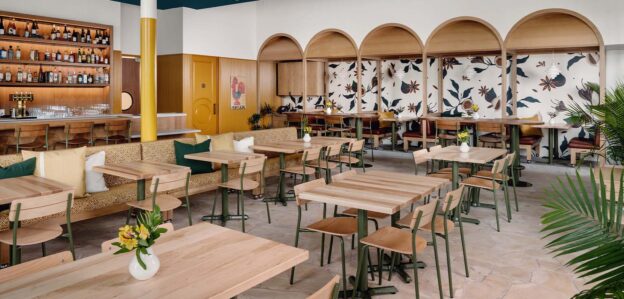
For example, wooden-finish tables combined with comfortable chairs can create a warm and welcoming atmosphere. On the other hand, modern metal furniture with clean designs may be more suitable for contemporary corporate cafeterias.

The furniture should complement the cafeteria’s overall interior theme. Consistency in colours, materials, and design helps create a visually balanced environment.

A clean and attractive cafeteria also encourages people to use the space more frequently.

Furniture directly influences how people experience a cafeteria. The right selection can improve comfort, functionality, and the overall appearance of the dining area.

Here are five important benefits of choosing suitable cafeteria furniture:

  • Improves Seating Comfort: Ergonomically designed chairs and properly sized tables allow people to enjoy their meals comfortably.
  • Makes Better Use of Available Space: Compact furniture and smart seating arrangements help accommodate more people without making the cafeteria feel crowded.
  • Enhances Interior Appearance: Modern furniture designs, attractive finishes, and coordinated colours create a more appealing dining environment.
  • Supports Easy Maintenance: Durable materials and easy-to-clean surfaces help maintain hygiene and reduce daily maintenance efforts.
  • Creates a Welcoming Atmosphere: Comfortable seating and thoughtfully arranged furniture encourage people to relax, interact, and enjoy their breaks.

These advantages make furniture selection an important part of cafeteria interior planning.

People visit cafeterias to take a break from their regular activities. Whether they have a quick lunch or spend time chatting with colleagues, comfortable seating can make a noticeable difference.

Uncomfortable chairs, poorly designed tables, or insufficient legroom can make the dining experience less enjoyable. Therefore, businesses should consider ergonomic seating, appropriate table heights, back support, and sufficient space between furniture pieces.

For cafeterias in offices and educational institutions, furniture should also be suitable for different age groups and user requirements.

Comfortable furniture encourages visitors to use the cafeteria as a relaxing social space rather than simply a place to finish their meals.

Every cafeteria has different requirements depending on its size, location, daily footfall, and type of visitors. Selecting furniture without considering these factors can lead to space management problems and unnecessary expenses.

Some popular furniture options include:

Dining Tables and Chairs: Traditional dining tables with matching chairs are suitable for cafeterias that offer dedicated seating arrangements.

Communal Tables: Long shared tables are ideal for corporate cafeterias, colleges, and large dining spaces where people enjoy sitting together.

Bar-Height Tables and Stools: These are useful for creating casual seating zones, particularly in modern office cafeterias and compact dining areas.

Booth Seating: Upholstered booth seating can provide a comfortable and slightly private dining experience while adding a contemporary touch.

Modular Furniture: Flexible furniture arrangements allow cafeteria managers to adjust seating according to changing requirements, group sizes, and available space.

Selecting a combination of these options can make the cafeteria more functional and visually interesting.

Even expensive furniture may not deliver the desired results if the layout is poorly planned. A cafeteria should have a comfortable balance between seating capacity and movement space.

Visitors should be able to enter, select their food, find a table, and move around without difficulty. The arrangement should also provide enough room for staff members to clean tables and manage daily operations.

For larger cafeterias, creating separate seating zones can be helpful. For example, a company cafeteria may include individual seating, group dining tables, and a relaxed lounge-style corner.

A well-planned layout improves the flow of people and prevents unnecessary congestion during busy lunch hours.

Cafeteria furniture experiences regular usage throughout the day. Spilled food, beverage stains, frequent cleaning, and continuous movement can affect its appearance over time.

This makes material selection particularly important.

Laminate surfaces, powder-coated metal frames, quality plastics, and durable wooden finishes are some practical options for cafeteria furniture.

When choosing materials, consider the following factors:

  • Resistance to scratches and everyday wear.
  • Easy cleaning and maintenance.
  • Strength and stability for regular use.
  • Resistance to moisture and food stains.
  • Long-term durability and replacement costs.

Investing in good-quality furniture may require a higher initial budget, but it can help reduce frequent repairs and replacement expenses.

Colours have a significant impact on how people feel inside a space. Bright and cheerful colours can create an energetic atmosphere, while neutral shades and wooden finishes can make a cafeteria feel calm and sophisticated.

The choice should depend on the purpose and identity of the cafeteria.

For example, a corporate cafeteria may benefit from neutral colours, modern furniture, and minimalistic designs. A school cafeteria may look more inviting with colourful chairs, playful combinations, and practical furniture suitable for children.

Businesses can also use furniture styles to maintain consistency with their brand identity and overall interior design.

With increasing attention to workplace design, many organisations are transforming their cafeterias into multifunctional spaces. These areas are no longer limited to lunch breaks. Employees may use them for informal discussions, team interactions, or short relaxation periods.

Modern furniture makes it easier to support these activities. Stackable chairs, foldable tables, modular seating, and flexible furniture arrangements provide greater adaptability.

For smaller cafeterias, space-saving furniture can be especially useful. Properly selected furniture allows businesses to maximise seating capacity while maintaining a comfortable environment.

The right furniture can completely change how a cafeteria looks, feels, and functions. From improving seating comfort and enhancing interior appearance to supporting hygiene and better space utilisation, every furniture choice contributes to the overall dining experience.

A successful cafeteria design is not necessarily about purchasing expensive furniture. It is about selecting pieces that match the available space, daily requirements, interior theme, and budget.

Whether you are designing a new cafeteria or renovating an existing dining area, thoughtful furniture selection can help create a welcoming, practical, and visually appealing space that people genuinely enjoy using.

Turnkey Solutions vs General Contracting: Which Approach Fits Your Project?
What Should You Consider When Designing a Modern Corporate Cafeteria?

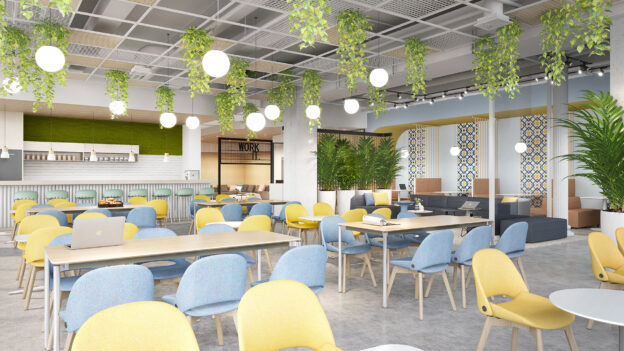
A corporate cafeteria is no longer just a place where employees grab lunch and head back to their desks. In a modern workplace, it can become a comfortable social space where people relax, connect with colleagues, recharge, and enjoy a break from their routine.

That is why cafeteria design deserves more thought than simply choosing tables, chairs, and attractive colours. A well-planned cafeteria should balance functionality, comfort, aesthetics, hygiene, and employee needs while fitting naturally into the overall workplace environment.

If you are planning a modern corporate cafeteria, here are some important factors to consider.

1. Understand How Employees Will Use the Space

Before starting the design, think about how the cafeteria will actually function during the day. Will employees mainly use it during lunch? Will some people have coffee meetings there? Could it also serve as an informal collaboration area?

Understanding these patterns helps determine the right layout, furniture, circulation space, and seating capacity.

A cafeteria designed around real employee behaviour will generally feel more practical than one designed purely for appearance.

2. Focus on Efficient Space Planning

Space planning is one of the most important aspects of cafeteria design. Employees should be able to move comfortably between the entrance, food counters, seating areas, beverage stations, and exit without creating unnecessary congestion.

The placement of tables and chairs should also leave sufficient walking space. Food service areas need to be positioned strategically so that queues do not interfere with people who are already seated.

An efficient layout can make even a compact cafeteria feel spacious and organised.

3. Create Different Seating Options

Not everyone uses a cafeteria in the same way. Some employees may prefer sitting with a large group, while others may want a quiet corner for a short break.

Consider incorporating a combination of:

  • Individual seating
  • Four- or six-person tables
  • Communal tables
  • Comfortable lounge seating
  • High tables or counter seating
  • Small informal meeting areas

Providing different seating choices makes the cafeteria more flexible and useful throughout the working day.

4. Choose Comfortable and Durable Furniture

Corporate cafeterias experience considerable daily use, so furniture needs to look good while also being durable and easy to maintain.

Chairs should provide reasonable comfort, while tables should be appropriately sized for the available space. Materials should be selected according to factors such as cleaning requirements, expected usage, and long-term durability.

The goal is not simply to purchase stylish furniture but to find options that can withstand everyday workplace activity.

5. Pay Attention to Lighting

Lighting can significantly influence the atmosphere of a cafeteria. Harsh lighting may make the space feel uncomfortable, while insufficient lighting can make it appear dull.

Where possible, make good use of natural light. Complement it with well-planned artificial lighting that provides sufficient brightness without creating glare.

Different areas can also benefit from different lighting approaches. For example, brighter lighting may work well around food counters, while softer lighting can create a more relaxed atmosphere in seating areas.

6. Make Hygiene and Cleanability a Priority

A cafeteria is naturally exposed to food spills, stains, moisture, and heavy foot traffic. Therefore, hygiene should be considered from the beginning of the design process rather than treated as an afterthought.

Flooring, wall finishes, countertops, tables, and other surfaces should be easy to clean and maintain. Waste-disposal points should also be conveniently positioned without disturbing the overall appearance of the space.

Good cafeteria design combines visual appeal with practical maintenance.

Key Elements to Keep in Mind

  • Plan the layout around employee movement and peak-hour usage.
  • Select materials that are durable, hygienic, and easy to maintain.
  • Provide different seating arrangements for different employee needs.
  • Use lighting, colours, and finishes to create a welcoming atmosphere.
  • Integrate technology and utilities without compromising the overall design.

7. Use Colours and Materials Thoughtfully

Colours can influence how a cafeteria feels. Warm and welcoming tones can create a relaxed environment, while contemporary neutral shades can give the space a clean corporate appearance.

You do not necessarily need bright colours everywhere. Instead, consider using colours strategically through furniture, feature walls, upholstery, graphics, or decorative elements.

Materials can also help establish the desired character of the space. Wood finishes, textured surfaces, glass, metal, and other contemporary materials can be combined to create a modern yet comfortable environment.

8. Consider Acoustics

One commonly overlooked aspect of cafeteria design is noise management. Conversations, utensils, furniture movement, kitchen equipment, and large groups can quickly make a cafeteria noisy.

Acoustic ceilings, wall treatments, upholstered furniture, partitions, and other sound-absorbing elements can help create a more comfortable environment.

Good acoustics are particularly important when the cafeteria is also expected to function as an informal meeting or collaboration space.

9. Integrate Technology Where It Makes Sense

Modern corporate cafeterias can benefit from thoughtful technology integration. Depending on the organisation, this might include digital menu displays, cashless payment systems, charging points, Wi-Fi connectivity, smart ordering systems, or screens for announcements.

Technology should support the user experience rather than dominate the design. Well-integrated solutions can make everyday cafeteria operations smoother and more convenient.

10. Think about Sustainability

Sustainability is becoming an increasingly important part of workplace design. Cafeterias can contribute through energy-efficient lighting, responsible material selection, water-saving fixtures, waste-segregation systems, and energy-conscious kitchen equipment.

Reusable or recyclable materials and efficient waste-management practices can also help reduce the environmental impact of daily operations.

Even small design decisions can make a meaningful difference when the space is used by hundreds of employees every day.

11. Reflect the Company’s Brand and Culture

A corporate cafeteria does not have to look like a traditional canteen. It can become an extension of the company’s workplace identity.

Brand colours, subtle graphics, custom furniture, wall artwork, company values, or locally inspired design elements can give the cafeteria a distinct personality.

However, branding should feel natural. The space should still feel comfortable and inviting rather than like an oversized corporate advertisement.

12. Don’t Forget Ventilation and Odour Control

Good ventilation is essential in any cafeteria, particularly around food preparation and serving areas. Proper airflow helps manage heat, humidity, and cooking odours while contributing to a more comfortable indoor environment.

Kitchen exhaust systems and ventilation should therefore be planned alongside the architectural and interior design rather than added later.

13. Plan for Future Flexibility

Workplaces continue to evolve, and cafeteria requirements may change over time. A flexible design can make it easier to adapt the space for different uses.

Movable furniture, modular seating, multifunctional areas, and adaptable layouts can allow the cafeteria to accommodate employee events, informal meetings, celebrations, or changing workforce patterns.

Designing with future needs in mind can also reduce the need for expensive modifications later.

14. Balance Aesthetics with Functionality

An attractive cafeteria can certainly improve the workplace experience, but appearance should never come at the expense of usability.

A beautiful table that is difficult to clean, an attractive seating arrangement that creates congestion or decorative lighting that causes glare may look impressive initially but can become a daily inconvenience.

The strongest cafeteria designs find the right balance between visual appeal and practical performance.

Conclusion

Designing a modern corporate cafeteria is about creating more than a place to eat. It is about creating an environment where employees can comfortably take a break, interact with colleagues, recharge, and enjoy a positive workplace experience.

From space planning and seating to lighting, acoustics, hygiene, technology, sustainability, and branding, every element has a role to play. The best approach is to understand the organisation’s workforce and design the cafeteria around the way people actually use the space.

With thoughtful planning and the right design strategy, a corporate cafeteria can become one of the most engaging and valuable spaces within a modern office.

Why Cafeteria Furniture Design Matters: Expert Tips for a Better Space

A well-designed cafeteria is more than just a place to eat—it serves as a hub for relaxation, social interaction, and employee well-being. The right cafeteria furniture design can significantly impact comfort, efficiency, and the overall atmosphere of a workplace, school, or commercial space. Experts in furniture design offer valuable insights to create an inviting and functional cafeteria environment.

The Importance of Thoughtful Cafeteria Furniture Design

Cafeteria furniture should be both practical and aesthetically pleasing, accommodating diverse needs while promoting a welcoming atmosphere. Expert-designed furniture optimizes space, enhances comfort, and aligns with the overall theme of the facility.

  1. Comfort and Ergonomics
    • Ergonomically designed chairs and tables support good posture and enhance dining experiences.
    • Comfortable seating arrangements encourage employees and visitors to take proper breaks, improving overall well-being.
  2. Space Utilization and Layout Optimization
    • Efficient layouts ensure smooth traffic flow and prevent overcrowding during peak hours.
    • Modular and stackable furniture allows for easy reconfiguration to accommodate different group sizes and events.
  3. Material Durability and Maintenance
    • High-quality, easy-to-clean materials improve hygiene and extend furniture lifespan.
    • Scratch-resistant and spill-proof surfaces ensure minimal maintenance and long-term use.
  4. Aesthetic Appeal and Ambience
    • Color schemes and furniture styles contribute to the cafeteria’s ambiance, making it an inviting place.
    • A well-designed space fosters a sense of community and enhances the dining experience.
  5. Sustainability and Cost Efficiency
    • Eco-friendly furniture options support sustainability initiatives and reduce environmental impact.
    • Investing in durable, high-quality pieces reduces long-term replacement and maintenance costs.

Impact on Workplace and Institutional Environments

A well-furnished cafeteria offers multiple benefits:

  • Boosts Employee Morale: Comfortable, aesthetically pleasing spaces encourage relaxation and informal collaboration.
  • Enhances Social Interaction: Well-planned layouts promote better engagement among employees and visitors.
  • Increases Efficiency: Optimized seating arrangements and ergonomic designs ensure smoother cafeteria operations.
  • Supports Health and Wellness: Thoughtfully designed spaces encourage employees to take proper meal breaks, improving productivity.

Conclusion

Cafeteria furniture design plays a crucial role in creating a functional, comfortable, and appealing dining space. With expert guidance, businesses and institutions can enhance employee satisfaction, foster community engagement, and improve overall efficiency. Investing in high-quality cafeteria furniture ensures a better experience for all while promoting long-term cost savings and sustainability.